Featured

Table of Contents
YNAB (You Required a Budget) uses the zero-based budgeting method, which means you appoint every dollar of income to a specific task. Its "Age of Cash" metric demonstrate how long dollars sit in your account before being invested, which assists you construct a buffer between earning and costs. Objective tracking, age of cash metric, spending plan templates, direct bank sync by means of Plaid, academic resources, and a supportive neighborhood.
It needs Plaid for automatic imports, which suggests sharing bank credentials with a 3rd celebration. Individuals who want a structured zero-based budgeting methodology and are willing to pay for guided coaching constructed into the app.
Objective tracking, net worth dashboard, investment account aggregation, subscription tracking, collaborative budgeting for couples, and customizable budget classifications. Priced at $99.99 annually (annual) or $14.99 each month ($180/yr) without any totally free tier. All data is kept in the cloud. Requires bank credential sharing through Plaid or Finicity. Couples or individuals who desire to see financial investments, savings account, and cost savings objectives in one cloud-based dashboard.
Why Payment Consolidation Helps in 2026
The complimentary version is a manual-entry budget app. The premium variation ($79.99/ year annual, or $17.99/ month) includes bank sync and financial obligation benefit preparation tools. Zero-based budget design templates, Child Steps progress tracker, debt snowball tool, and bank sync (premium just). The totally free version lacks bank imports and is restricted in reporting. Premium needs Plaid.
People following the Dave Ramsey approach who desire an app purpose-built for Infant Steps. Spending watchlists with notifies, cost savings goal tracking, subscription management, costs tracking, and net worth tracking.
Requires Plaid for bank connection. Some users report frequent connection issues with certain banks. People who want a simple app focused on monitoring costs limits rather than comprehensive budgeting.
Credit Score Monitoring or Optimization
Virtual envelopes, objective envelopes for cost savings targets, debt tracking, and shared home spending plans with sync throughout devices. No bank import at all whatever is manual.
You definitely can save cash effectively without ever connecting your checking account to a budgeting app, and there are strong personal privacy and security reasons to consider this approach. Apps like SenticMoney and GoodBudget work entirely without bank connections. SenticMoney also supports importing bank declarations as CSV, OFX, QFX, Excel, or PDF files, which provides you the convenience of bulk deal import without sharing your login credentials.
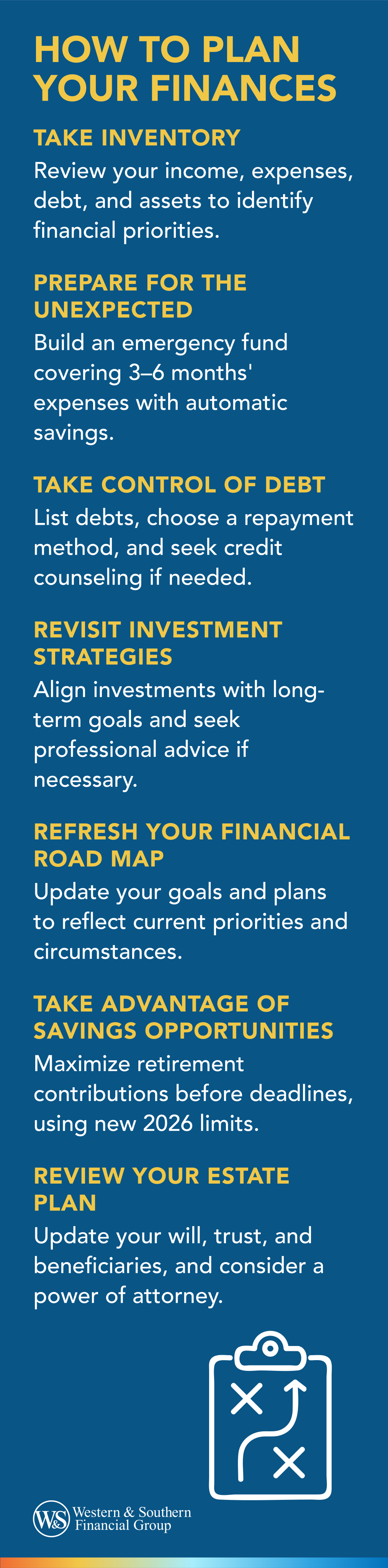
The Federal Reserve's Study of Household Economics has actually recorded growing consumer issue about sharing bank credentials with third-party services. With local-first apps, your monetary history exists just on your gadget. If the app company gets hacked, your transaction data is not exposed since it was never on their servers. By hand entering or reviewing transactions makes you more knowledgeable about your spending patterns.
Local-first apps work without an internet connection, so you can track expenses and examine budget plans anywhere. The import workflow with SenticMoney is simple: log into your bank site, download your statement as a CSV, Excel, OFX, QFX, or PDF file, and import it into SenticMoney. The app has 15+ bank presets (Chase, Bank of America, Wells Fargo, Citi, Capital One, US Bank, PNC, TD Bank, Ally, Discover, Amex, Navy Federal, USAA, Schwab, and Fidelity) that instantly map columns, plus custom CSV mapping for any other organization.
For people who want much more hands-on engagement, SenticMoney's complimentary tier supports unrestricted manual transaction entry. Combined with spending plan tracking and the Financial Health Rating, you have a complete savings system that never touches the internet. Research and market data consistently reveal that individuals who utilize budgeting tools save 10% to 20% more of their income compared to those who do not track their financial resources at all.
Are Fintech Apps Right for Your Wealth?
The amount you conserve depends on your starting point and how regularly you utilize the app. Just classifying your costs for the very first month often reveals immediate cost savings opportunities.
Reviewing them often discovers 1 to 3 services you no longer use. This category regularly surprises individuals. Seeing $500 to $800 per month in restaurant spending typically inspires a shift towards home cooking for some meals. When you need to classify every purchase, the psychological friction minimizes impulse costs. Setting a specific savings objective, like "$5,000 emergency situation fund by December," with a development bar and due date develops responsibility that vague intents can not match.
This visual development tracking has actually been shown to increase follow-through on financial commitments. SenticMoney's free financial calculators likewise assist you conserve more by showing the math behind your choices. The Compound Interest Calculator reveals how small monthly contributions grow with time. The Financial obligation Snowball vs. Avalanche Calculator shows exactly how much interest you save by selecting the right payoff strategy.
SenticMoney's Financial Health Rating rates your financial resources from 0 to 100 across four dimensions: cost savings rate, debt-to-income ratio, emergency situation fund protection, and expense-to-income ratio. Seeing a concrete rating and understanding which measurement needs the many improvement develops a focused action strategy rather than basic stress and anxiety about money.
Understanding 2026 Card Benefits
It turns an abstract principle like "financial health" into a quantifiable number you can improve., consisting of step-by-step guidelines for setting up your first budget plan, begin there if you are brand-new to tracking your finances.
Its totally free tier includes monetary objectives with progress tracking, a Financial Health Score that ranks your cost savings habits, monetary calculators for financial obligation reward and substance interest, budget tracking, and a complete dashboard. Many completing apps either charge for goal tracking or limitation complimentary functions considerably. Yes. Research study from the Customer Financial Protection Bureau reveals that people who actively track their spending and set cost savings objectives conserve considerably more than those who do not.
Apps work by making your spending visible, automating goal tracking, and offering accountability through development metrics like cost savings rates and financial health scores. Cloud-based apps that utilize Plaid store your bank credentials on third-party servers, which creates risk if those servers are breached.
Ensuring Future Financial Stability
SenticMoney is free permanently with optional Standard at $39 annually. Quicken Simplifi costs $71.88 annually. EveryDollar charges $79.99 annually (annual) or $17.99 monthly ($216/yr). GoodBudget charges $80 each year or $8 each month ($96/yr). Emperor Money costs $99.99 each year (annual) or $14.99 monthly ($180/yr).
A Financial Health Score is a 0 to 100 ranking that determines your general financial wellness throughout four measurements: cost savings rate, debt-to-income ratio, emergency situation fund coverage, and expense-to-income ratio. SenticMoney includes this in its complimentary tier.

Latest Posts
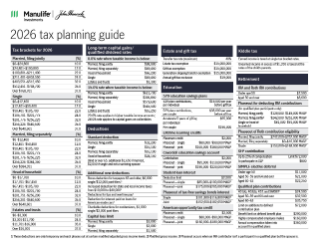
Evaluating the Top Card Options in 2026
Advantages of Nonprofit Credit Management Programs

Planning Vs Investing: Best Planning for 2026